Make connections with literary texts and see where the trickster can be found! Find resources that tell you what the trickster is all about and what are some common elements among archetypes and mythology and how does it relate to human experience in the modern world.
Find Literary Analysis that show a representation of the trickster, whether the main character or on the sideline.
“O Captain! My Captain!” By Walt Whitman
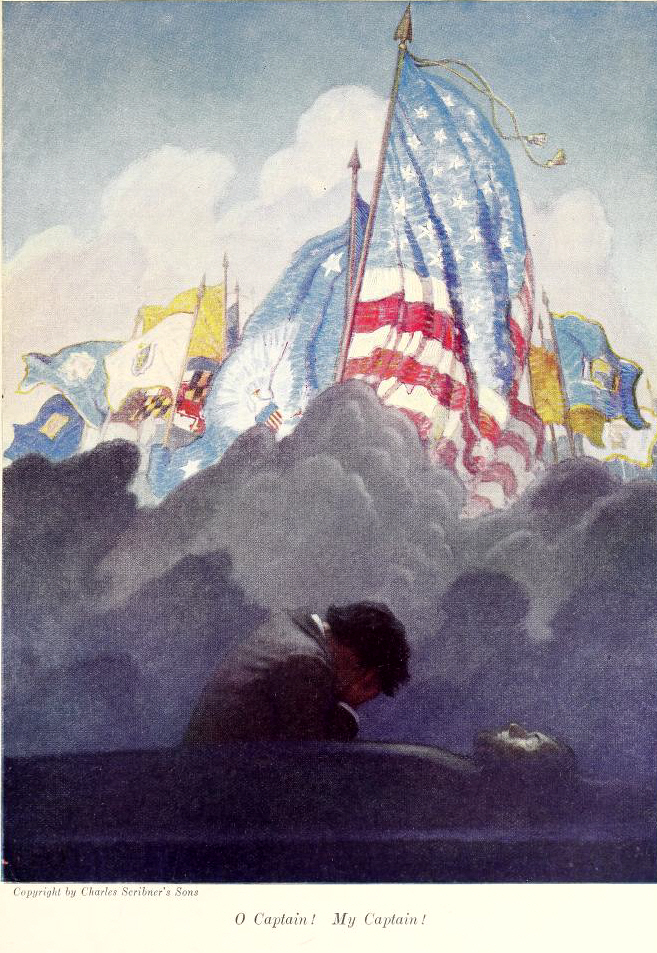
In “O Captain! My Captain!” by Walt Whitman the trickster can be seen in the captain of the poem because at the end of the day although he has died he has still won the prize and the speaker of the poem is continuing his memory. The captain is a force of chaos that caused a positive change in the community, and bring home the prize, making him their savor as well. Below find an analytical reading of “O Captain! My Captain” where I explore the significance of the captain and how the reader grieves when he find his captain laying dead on the deck.
“Yellow Woman” by Leslie Marmon Silko
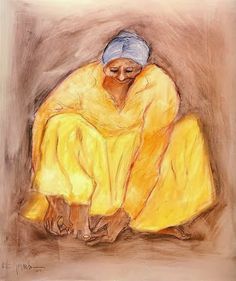
Yellow Woman is a trickster as she can shapeshift into different animals, such as a deer as well as the moon. Giving her the ability to cross into the spirit realm. In “Yellow Women” By Leslie Marmon Silko the narrator becomes Yellow Women, embodying the myth itself. Just like yellow women the narrator is first deceptive and only said she was yellow women. Below find an analytical reading where i explore the Yellow Woman myth and how it creates meaning for the narrator of the story, coming into consciousness, allowing her to self-reflect.
Lesson plan
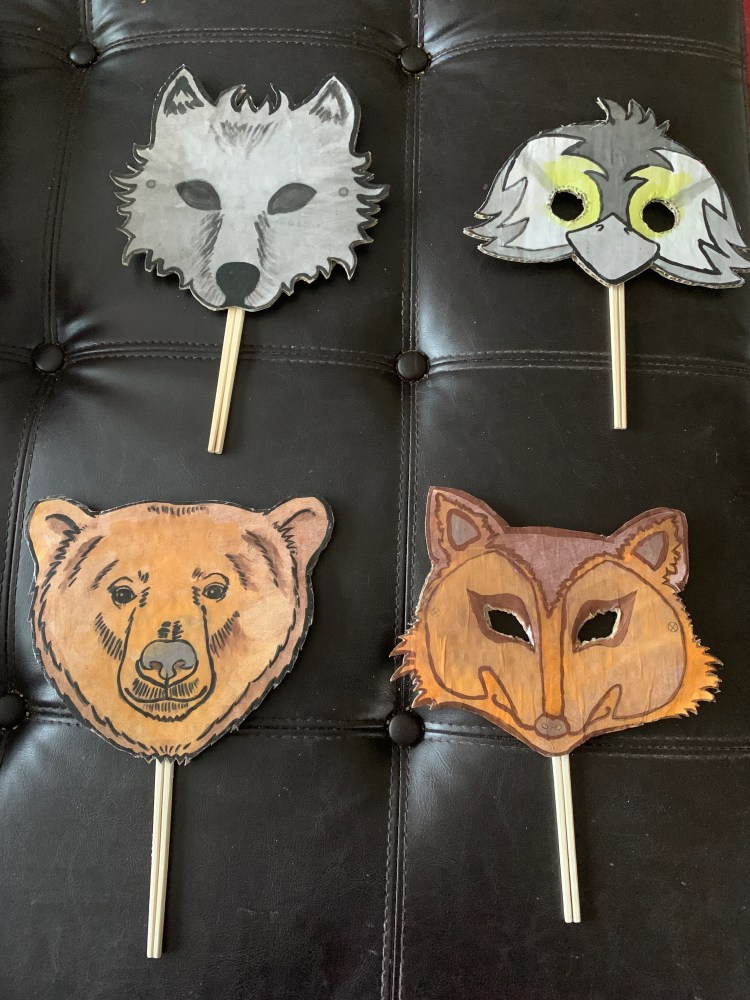
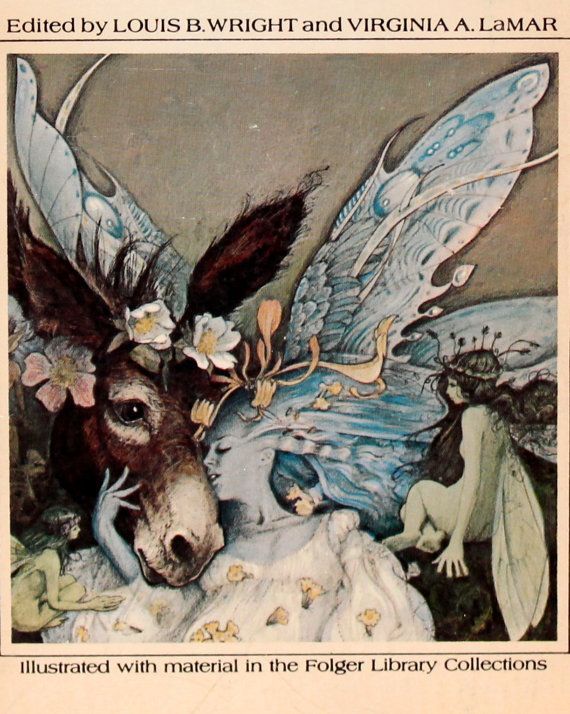
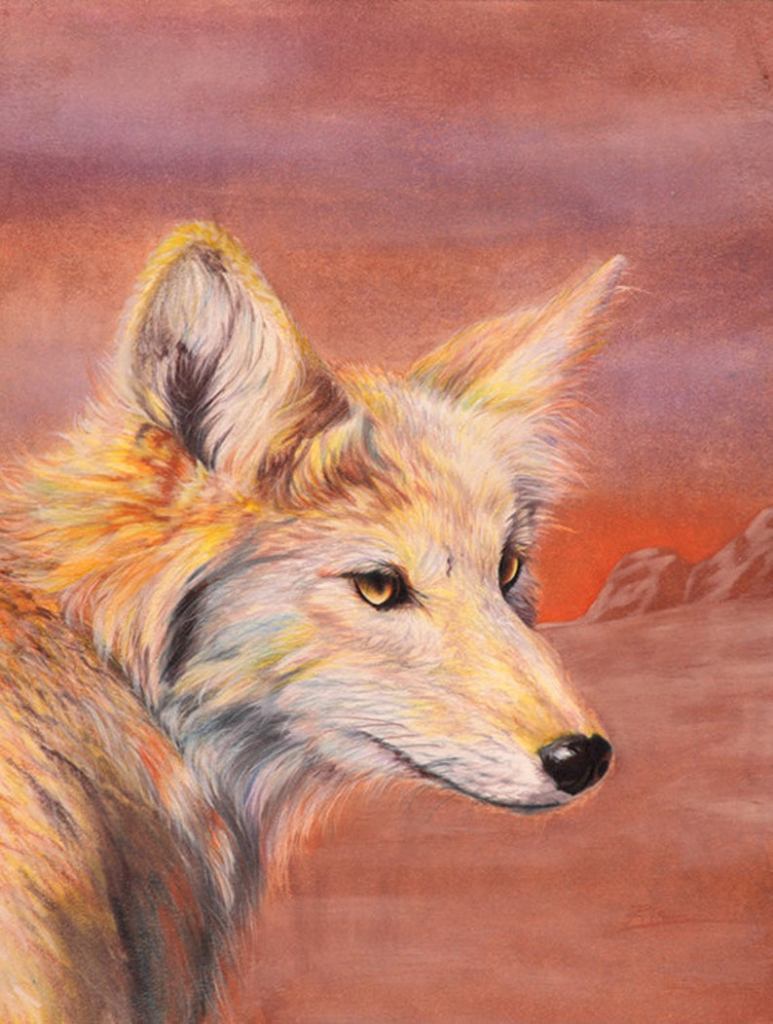
The trickster is a great way to help students make a connection to mythology and their life. Students will learn what the trickster archetype is and the elements that make the trickster by analyzing the Myth of the Coyote and how he placed the stars. Students will be able to compare and use what they learned about the trickster and apply it to the play, A Midnight Summer Dream by Shakespeare, this will allow students to see the trickster across mediums and culture. Students will then be put into groups and given the choice to create a youtube video where they can explore what a trickster is as well as give examples across pop cultures. By the end of the lesson students will be able to apply and contextualize what they have learned over the past weeks to build a trickster of their own by using technology and identifying different traits that belong to the trickster archetype.
“No matter where in the world we find this unique character, he persistently displays humanity’s highest aspirations and our basest impulses” (Leonard and McClure 250).
Annotated Bibliography
Find scholarly articles for refrences and research relating to mythology and the trickster.
Jackson, William J., and Peter Johannes Thuesen. American Tricksters : Thoughts on the Shadow Side of a Culture’s Psyche. Cascade Books, 2014. EBSCOhost, search.ebscohost.com/login.aspx?direct=true&db=e000xna&AN=942958&site=ehost-live.
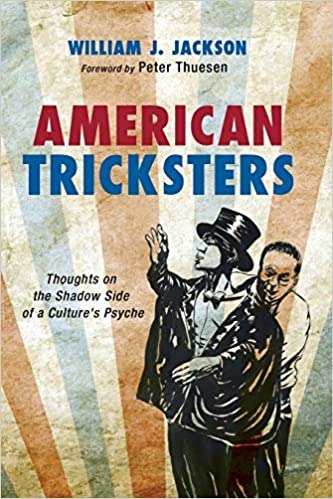
In American Tricksters, William J. Jackson takes a close look at the survival tactics of the trickster and the new ways he is being embodied in American society. William takes a look at a variety of characters from, rockstars, conman, to heros fighting against evil, and discusses how they embody the trickster archetype through the various deeds they have committed and how they came to be self-aware.
Jung, C. G., and R.F.C. Hull. Four Archetypes: (From Vol. 9, Part 1 of the Collected Works of C. G. Jung). REV – Revised ed., Princeton University Press, 1969. JSTOR, http://www.jstor.org/stable/j.ctt7sw9v. Accessed 23 Apr. 2020.
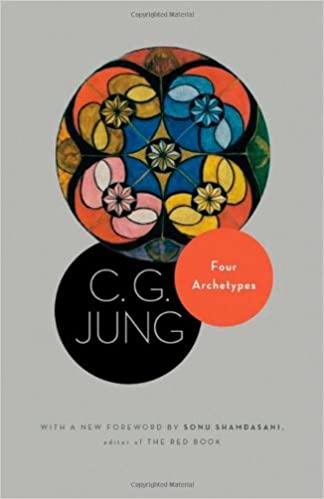
In the Four Archetypes, Carl Jung takes a look at the mind of human and the archetypes that compose the unconscious psyche. Jung explores the psychological meanings that the Four archetype carry. The trickster is characterized by Jung as representing the counter-tendencies within the sleeping mind, “the carnival in the Medieval church.”
Leonard, Scott and Michael McClure. Myth & Knowing, An Introduction to World Mythology. New York, Kenneth King, 2004
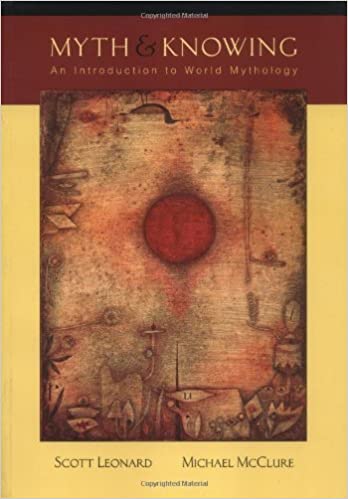
Myth and Knowing, An Introduction to the World, is a great place to start for beginners who are starting to discover mythology. The book takes a close look at Myths from all around the world how myth embodies the psyche, culture, and religion giving us an insight into humanity creating a sense of meaning.
 Mythology